As a coach, I have spoken to a lot of people over the last 18 months who have been struggling with anxiety. Whether that is something an individual was dealing with before the Covid-19 pandemic, something that has crept in over time through the ongoing lockdowns, changes in restrictions and constantly having to navigate another ‘new normal’ or whether it is a result of a new trigger which has come into their life.
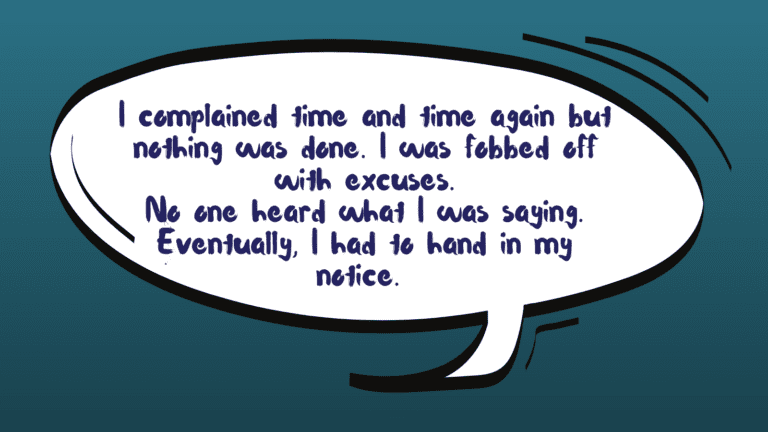
One of the triggers we have been hearing a lot of, both at CHAMPS for Change CIC and at No Panic, is difficult working environments, particularly when it comes to toxic relationships with a work colleague or a manager. Navigating these workplace situations can sometimes get a little easier the more life experience we have, but often they can still send us into a spiral of anxious thoughts, low moods and a whole range of other emotions that are difficult to deal with.
If you are experiencing colleagues who are being difficult, a manager who appears to constantly have you in their line of fire, or someone who is bullying you outright, it is useful to know how to get the right support or help to deal with the situation.
I remember being bullied back at secondary school, to the point where my mum came into the school. I was determined to resolve it myself, so even though the teachers and my parents knew it was happening, I wanted the ability to sort it out my way, which was not easy at all but felt at the time the right thing to do.
Firstly, how do you know it is workplace bullying, as there is a line between a tough boss or someone who we may not connect with or would want to be friends with, to an abusive boss. The National Bullying Helpline describes workplace bullying as:
“Bullying generally refers to being subjected to repeated emotional or even physical abuse. The workplace bully deliberately manipulates, belittles, intimidates and tries to control or undermine their victim using any means available to them. In this digital age, the workplace bully’s playground has now extended to cyberbullying with the use of email, mobile phones and social media sites like Twitter or Facebook.”
Your workplace has a duty of care to keep you safe both physically and psychologically, just the same as when we were at school, but as we know, bullying happens under the radar and that these types of individuals are often manipulative with controlling behaviours which can sometimes make it hard to spot or call out.
Some questions you might want to reflect on to understand if you are being bullied at work include:
- How am I feeling about heading into the workplace after the weekend?
- Do I feel threatened or intimidated by that person/group of people?
- Have I been called names, experienced emotional or physical abuse?
- Do my signs of anxiety feel heightened when heading into the workplace e.g., nausea, upset tummy, headaches or panic attacks?
- Have I been called out in front of other people, for example, been called names, laughed at, humiliated or felt as if someone was gaslighting me?
- Do I feel that my efforts are not good enough or undervalued to the point of having an impact on my job and career?
So, what do you do if you answer yes to some of those questions above?
You might want to sort the situation yourself by seeing if it stops and eases. If you do, that is fine, just remember to ensure you are practising lots of different self-care strategies to ensure you sandbag your own psychological safety and be mindful of the toll that it will take on your mental health to deal with a significant amount of stress in your burden bucket, plus the impact to our loved ones around us whilst we are struggling.
First, recognise that this situation cannot carry on. Bullying is a stressor and related to mental health problems, it is a huge trigger for both anxiety and depression and in some instances, bullying can lead to an individual having suicidal thoughts or even contemplating taking their own life.
Please do not suffer in silence or alone, no matter how isolated you may feel – something a bully can be very good at making us feel. Know there are people you can reach out to and talk to:
- The wonderful team at No Panic can help you deal with those feelings of anxiety and how to manage them
- The National Bullying Helpline is a fantastic resource to gain the right professional support
- If you have a trained Mental Health First Aider in the workplace, seek them out for a confidential chat. Alternatively, if you do feel comfortable in speaking to your manager (if they are not the one doing the bullying), Human Resources, or another trusted colleague
- Your confidential Employee Assistance Provision (EAP) if you have one, most medium to large-sized workplaces have at least the basic services
- A professional trained coach (like me!) who can work with you in a practical way whilst you are dealing with the situation and support as you move forwards
- Do also let your family or close friends know what is happening with you if you have not already shared with them. They will have likely picked up on something that is not quite right and often we do take out our frustration or hurt on those who are closest to us.
Do not feel there is any stigma or shame associated with experiencing bullying at work, this is what bullies create within us by dimming our self-confidence and self-belief, which can make us feel worthless and powerless. Therefore, the more we empower ourselves to share what is happening, speak up even when it is the most difficult can allow us to step forward into the light out of the shadows. The more we do that the less the bully has control over us.
There is always someone who cares and someone who will listen.
By Ruth Cooper-Dickson
Ruth is an active patron of No Panic as well as a positive psychology practitioner and resilience, wellbeing and trauma-informed coach. You can get in touch with her and find out more about what she does here: https://ruthcooperdickson.com/
How can No Panic help?
No Panic specialises in self-help recovery and our services include:
Providing people with the skills they need to manage their condition and work towards recovery.
Our aim is to give you all of the necessary advice, tools and support that you will need to recover and carry out this journey. No Panic Recovery Programs