Author: Michelle

  • Let’s Get Men Talking

    Let’s Get Men Talking

    by Araminta Sheridan

    Suicide is the biggest killer of men ages 25-49, and over 70% of those who commit suicide are men. With the psychological effects surrounding coronavirus pandemic, male suicide rates have hit a two-decade high in England and Wales alone.  

    We live in a world where the fight for equality, inclusivity and diversity is stronger than ever – it has taken too long for these movements and discussions to take place but finally they are here and it is exciting to see. Male behaviour has been placed under a microscope as the hashtag ‘toxic masculinity’ has even used 123,640 times on Instagram and continues to be used multiple times a day on Twitter. Whilst it is clear from these conversations that minority groups are not happy with toxic behaviours associated with masculinity, it is clear from suicide rates that men are not hugely benefiting from the expectations and values places on them either.  

    In recent years, I have had private, in depth discussions with men who feel deeply embarrassed by behaviours associated with masculinity. The male role has changed, but the narrative surrounding ‘masculinity’ has not. The expectation of ‘strong and silent’, ‘stiff upper lip’, and ‘keep quiet and move forward’ seemed to stunt crucial conversations needed to rediscover a newer, healthier male mindset.

    Those that were brave enough to reach out for help risked being met with sexist, stunting preconceptions; incorrect ideas including ‘men don’t get bulimia’- 1 in 4 people with bulimia are in fact men.   Let’s Get Men Talking is my small contribution towards a solution.  

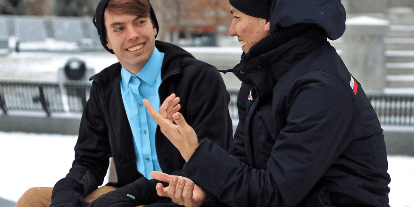
    What is Let’s Get Men Talking?   Let’s Get Men Talking is a conversation mainly hosted on Instagram that invites men to lead by example to normalise open and honest conversation. Men who participate publicly write captions that educate others around the benefits of reaching out for help, some share their stories, some offer a listening ear, others reinforce their support of vulnerability in men. Each week, I host a livestream to have conversations with men who are using their social media accounts to promote complimentary ideas – Mental Health support for Dads, ideas around ‘manning down’, mental fitness, conversational clothing and more.   Very little of the actual content is created by me, it is created by the men who follow and support the account.   The results have been unimaginable, with daily messages of support, solutions for others and reassurance that this movement is much needed. We are by no means forcing people to talk, but we must create a world where the option is there for those who need and want it.  

    We are told as children ‘big boys don’t cry’ – in order to save lives, we need big boys to cry.   Conversations with family and friends, around the dinner table, shape how our country thinks and behaves. As digital technology rapidly descended on us, people believe that we lost the ability to truly connect. For many, this pandemic has forced people to sit back down and share opinions, or to watch the nightly news together and talk about what is going on in weeks zoom calls with colleagues and family.

    During this time, I have seen the organic growth of Let’s Get Men Talking increase massively. The public posts to the feed and the 1:1 conversations held on direct message are continuous with men ready to lead by example and others ready to test ideas of engaging in vulnerable conversation. We also have women engage in these conversations, supporting men and learning to empathise with their position. This to me is proof that now is the time for this much needed movement – now is the time to get men talking.  

    Let’s Get Men Talking was started by Araminta Sheridan in 2018 to address the narrative surrounding masculinity. The aim was to enable at least one person to reach out for help no matter how big or small their challenge. Now, as a community of over 2,500 people, we work to support those with day-to-day stresses, through to mental illness, through to suicidal thoughts. Watch this space for her upcoming podcast!

  • 5 Easy Ways to Get to Sleep

    5 Easy Ways to Get to Sleep

    By Jenny Leung

    Are you a night owl like me? I work best at night, sometimes staying up as soon as the sun sets.

    But then there are those nights I really do need to get to sleep. And I just can’t. I’m overthinking. I’m anxious. Thoughts are swirling through my mind at a million miles per hour.

    If that wasn’t enough, I also have a chronic dry skin condition, so I’m often left lying in an itchy ball of anxiety. As you can imagine, this stresses me out even more and leaves me restless for hours on end…

    I’m sure we all know that sleep deprivation is bad for our health and should be tackled as early as practically possible. I’ve found that, as well as not feeling great, sleep deprivation can greatly affect our mind and body in so many ways. As well as affecting our ability to concentrate, sleep deprivation can increase your risk of high blood pressure and diabetes, lower your self-esteem, reduce your immunity, and cause skin problems and weight gain.

    So, how can you help yourself through a restless night? If you don’t want to use pills, I’ve found that the following methods have helped me out in the past. Read on to find out more.

    1) Get up out of bed

    1. Stop tossing and turning and get up out of bed.
    2. Stretch your legs, grab a glass of water, and cool down next to an open window. 
    3. Take a bit of time to declutter your room, spritz some relaxing room spray, and air your bed. 

    2) Take a few deep breaths

    Breathe in…and breathe out. Calm down your racing heart by following No Panic’s relaxation guide.

    3) Try Autonomous Sensory Meridian Response (ASMR)

    We all have the tendency to mindlessly check our phones when we can’t get to sleep. As well as concentrating on your breath to calm down your racing mind, you can use something called ASMR.

    This involves watching meditative videos that lull your mind into a state of calm, and there are so many different types on YouTube. Have a browse online to see which type suits you best, then use earphones for the best effects.

    4) Write your thoughts down

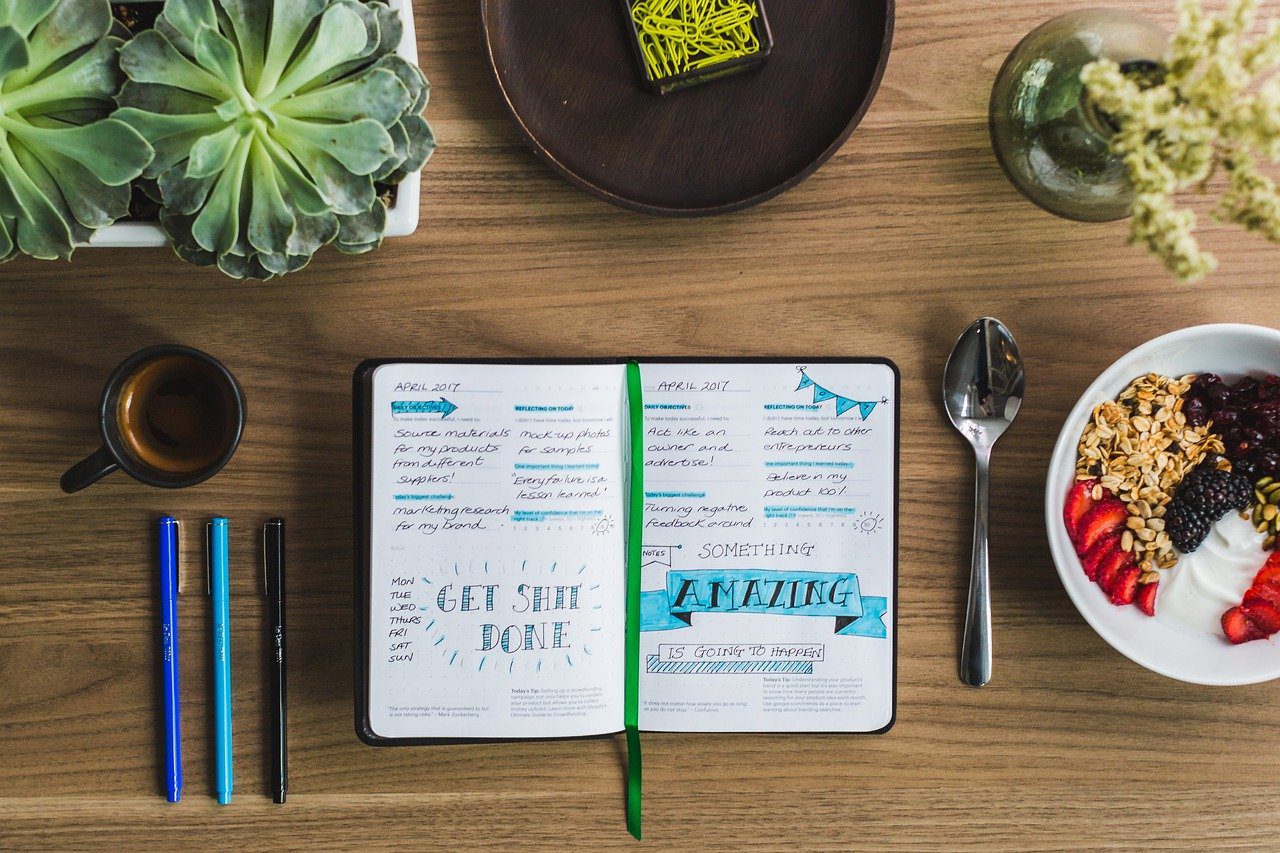
    I like keeping my diary on my bedside table. If I ever need to empty out my mind, I can transfer my thoughts to my diary, keeping them safe and sound to deal with later.

    5) Try Emotional Freedom Techniques (EFT)

    If you haven’t heard of EFT, get googling. This anxiety-boosting technique is quick and easy. It involves tapping points on your body while reassuring yourself that you are safe and that you accept yourself. I personally find it really effective for minimising my anxiety!

    The final note

    It’s not about forcing yourself to sleep; it’s about letting go and allowing your mind to enter a sleep cycle in its own time. 

    Of course, if you’re still struggling after a few weeks or months, consult your doctor or a sleep specialist.

    Biography

    Jenny Leung is an editor and digital learning professional, passionate about education and motivating others. If you would like to find out more, you can find Jenny on LinkedIn and Twitter.

  • Anxiety tips for Autumn and Winter

    Anxiety tips for Autumn and Winter

    This year has been particularly challenging for all of us, let alone those with existing mental health problems, and so it’s no surprise to see rates of anxiety and depression spiking across the country. With a second wave of the coronavirus potentially already underway, and the cold days of autumn and winter approaching, it’s fair to say that the next few months could bring even greater mental health challenges. 

    Anxiety is a serious mental health issue, and unfortunately it cannot simply be wished away. But this does not mean we are entirely helpless in the face of it. As autumn and winter approach, read on to find out some of the ways we can help ourselves through this difficult time. 

    Use technology to stay social

    Sometimes, when we’re in the grip of anxiety, socialising can be the last thing we want to do. During the pandemic, an extra layer of anxiety has been added to social occasions due to the potential risk of infection – as well as the complicated new rules we have to navigate.

    With more restrictions on social gatherings increasingly likely in the next few months due to further COVID-19 breakouts, socialising in person will obviously become more difficult. On top of this, the cold weather makes socialising outdoors a less attractive prospect than it was in the summer. 

    Despite all of this, however, you should make a concerted effort to keep socialising throughout the autumn and winter months – even if it’s something as simple as a phone or video call, or a virtual game night. Socialising has well-established benefits for our mental health, and so it’s more important than ever that we’re not isolated in this difficult period. Although it may not be possible to meet your family and friends face-to-face, virtual meetings are still incredibly valuable and should not be forgotten.

    Lean into the cosiness

    We’ve all heard of ‘hygge’ by now (the Danish and Norwegian word for contented cosiness), but it really can be beneficial for your anxiety levels to embrace it. As the long, cold nights of autumn and winter draw in, snuggling up with a warm drink and a blanket can be a real pleasure. 

    Check other areas of your health

    It’s also true that diet can have a role to play in our anxiety levels. From eating a balanced diet to limiting our intake of alcohol, it’s worth seeing if there are any small changes you can make in this area. If you’re a man, low testosterone levels can also overlap with the symptoms of anxiety – and affect you in a range of other areas – so it might be worth looking into this area of your health too. 

    Give yourself permission to take a step back 

    Finally, it’s important to give yourself permission to take a step back from the whirlwind of health and economic worries that are circulating in your mind. Rather than catastrophizing, and fixating on disasters that haven’t happened yet, reserve your energy for the problems that you can fix right now – and forget the rest. This is easier said than done, of course, but by making a continual effort to live in the here and now you will be more able to cope – without the worries of the future weighing you down as well. 

    Anxiety is extremely debilitating, and there is no ‘silver bullet’ that will eradicate it from your mind. But try to get into the habit of banishing negative thoughts when they arrive, and thinking positive thoughts instead. Studies have shown that this method can be surprisingly effective – but it’s not the only answer. It’s important to empathise that if you experience anxiety, or are in any way concerned about your mental health, your GP should be the first port of call. 

    Anne Williams is an independent researcher and writer. She has been writing for different publications for two years now. She loves swimming and is an active advocate for mental health in her community.

  • Today I Choose Me.

    Today I Choose Me.

    By Lanji Candles & Kirsty Riddell

    Kirsty came across Lanji Candles through the Solo Craft Fair’s virtual online market on Instagram, during the Covid-19 pandemic. Kirsty and Suwi realised their shared interest in discussing mental health and their priority to promote well-being within their practice. They wanted to combine their separate disciplines to create something that would calm the senses and relieve stress through the use of scent, colour and light. 

    Each box contains a pack of 8 Lanji Candles tea lights with an affirmation card and two of Kirsty Riddell’s hand drawn glass tea light holders. For the candle scent, Suwi wanted people to feel warm and safe. With autumn rapidly coming she also wanted scents to go with the season. English pear and vanilla; a warm and inviting fragrance which can help to reduce stress and anxiety. Black fig and amber; a punchy wooden fragrance which can help improve relaxation. For the drawing of the glass tea light holders Kirsty focused on the ideas behind the Zentangle Method, where the drawing is free from conscious intention and reaches its own conclusion within the process itself. Kirsty used the Pantone colour of 2020; Classic Blue, for the balance of positivity and calm it represents. As this difficult year draws to an end, these tea lights offer an opportunity to reflect on what has been a universally challenging time. https://kirstyriddell.com/shop/lanji-candles-collaboration-with-kirsty-riddell-tea-lights/?fbclid=IwAR0tfKkbGikAbUeFM-tM9mLi2JiC-x_SSSG8T2GfnNYZIRxOxaASh4PukQA

    Suwi and Kirsty chose to donate 10% of every box towards the charity ‘No Panic’. They both have experience of dealing with anxiety in their lives and are very interested in how ‘No Panic’ offers help to those suffering with anxiety to find tools to cope with their condition.

  • How I Have Learned To Cope with Stress & Anxiety

    How I Have Learned To Cope with Stress & Anxiety

    By Zaid Roberts

    It’s enough that so many people suffer from anxiety under normal circumstances, whether it be in the workplace, dealing with phobias or grievances with family members. To add to our worries, the impact of the coronavirus pandemic & the fact that we’re in economic decline means that there’s an increase in the number of people suffering from stress and anxiety, all over the world. You just have to watch the news to know that the struggle is real. The number of reported job losses, households with financial problems, families losing loved ones, etc. are growing and unfortunately for many, that means having to deal with additional stress and uncertainty of what the future holds. It’s a cocktail of ingredients that has created what experts say is potentially one of the worst recessions the world has seen since the great depression. You don’t need me to tell you that we’re all in it for the long haul. 

    I am one of the unfortunate souls to have lost my job as a result of the pandemic and to be honest, it’s not an easy thing to deal with.  No matter how strong you are as a person, it can affect you both on an emotional level and your mental wellbeing. The added stress and worry that there are fewer jobs available, all adds to increased levels of uneasiness. 

    However, it doesn’t all have to be bad, the fact you’ve landed here, means that you’re in the right place if you need help. I believe we can all do things to help us cope better with anxiety and stress. Here are a few things I have adopted to help me cope better with it.

    • Focus on positive things – Pressure is part of life and we’ll always have hurdles we need to overcome. Yes, I’ve lost my job but it’s given me the opportunity to explore other things. I’ve started writing a blog (link: www.dish-dad.com) to share my experiences and thoughts about family life and parenting. For you it could be something you may have always wanted to do or something new you would like to try. It could be a course, there are many free internet courses being offered online for all sorts of things. 
    • Celebrate the little wins – Finding a solution to a big problem means you may need to take small steps to achieving your goal, so try and enjoy the feel good moments you get no matter how small it is. Every cloud…
    • Show gratitude – Try and express gratefulness to someone for bringing some kind of joy. It could be something small, like a friend that does a favour for you. You’ll be surprised how much it can help to improve your self esteem.
    • Don’t take yourself too seriously – It’s hard not to avoid the issue you might be facing, but if you focus too much on solving that problem it could easily consume you. It’s widely known that laughter can help to lower stress levels, it can also help to lift your mood and again improve your confidence so allow yourself to enjoy some laughs.
    • Be around positive people – I can’t stress enough how important it is to surround yourself by people that have a positive influence on your life. Turning to people that can elevate you will help you to see the bigger picture and improve your self-esteem.
    • Start every day with a routine – I recognise that having a structure to my day helps me to cope better, so now I have a little routine. This will be different for everyone, but I do things like waking up early, having a good breakfast, doing exercise, meditating and reciting positive affirmations to put you in control of the way you’re thinking.

    This approach has helped me to cope better with anxiety and stress when things become a bit challenging, hopefully it can help you to approach things with a more positive outlook to help overcome your challenges.

    Zaid Roberts is a father of 2 cheeky little boys and the creator of parent blog: https://www.dish-dad.com/  
    He moved to the UK from South Africa in 2002 with his partner and has been working in digital media for many years. Like so many, he lost his job during the Corona Virus Pandemic, but with the abundance of time on his hands, he has been able to write about his experiences and talk about matters that are important to him.

  • Anxiety and Living with Long Term Conditions like Arthritis

    Anxiety and Living with Long Term Conditions like Arthritis

    A Long Term Condition (LTC), sometimes called a chronic disease, is an illness that cannot yet be cured, but can usually be controlled and managed. Examples of LTCs include arthritis, diabetes, asthma, and migraines, to name a few. It can be scary for someone to learn they have an LTC, and will have to live with it for the rest of their life. However, once they are able to accept that the condition is a part of them, they can begin to manage their symptoms and maintain a happy, healthy life.

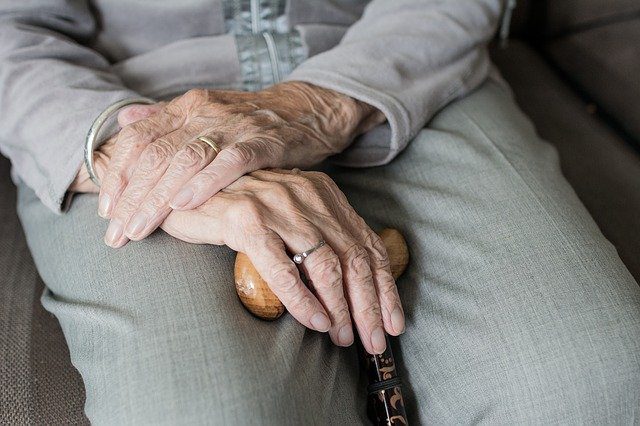
    Arthritis is one such LTC, which causes pain and inflammation in a joint. It affects over 10 million people in the UK and can affect people of all ages, making it the most common cause of disability in the UK. 

    When you are first told that you will have to live with an LTC such as arthritis, some people experience stress and anxiety. For example, many people begin to worry about how their condition will affect the way they live, or interfere with day-to-day tasks such as household chores, hobbies and even their job. This is often when anxiety and stress show themselves. 

    Stress and anxiety are often thought of as the same, but they are different. Stress is most often caused by external influences and triggers, while anxiety is an internal response we feel within ourselves. Stress can show itself as different emotions, such as anger or worry. Anxiety may start as the result of stress, and may manifest as a particular feeling of fear, dread and apprehension. We have probably all experienced symptoms of anxiety: the heightened state of awareness around you, the tummy tensing, perhaps sweating, a dry mouth, finding it difficult to breathe and perhaps tingling in the hands and/or mouth. This is often referred to as ‘fight and flight’. These are normal bodily responses when facing a threat where you need to run or fight for your life. The symptoms can be frightening. It is therefore important to recognise these symptoms as a normal bodily response when faced with certain triggers, and learn how to relax when you are feeling this way. 

    More often than not when experiencing anxiety, you may not know the root cause of the feeling. It is therefore important for the person to find out the root cause. Perhaps keep a note book and write down what you are thinking, how your body feels, when the symptoms begin and end. Where are you going? What are you doing? What are you thinking? Over time, by examining what you write, you may be able to find the triggers and the root cause whenever you starting feeling anxious. Sometimes, however, it is important to ask for the help of others. You may seek the professional help of a counsellor, a clinical hypnotherapist, and/or engage in cognitive behavioural therapy. Therapists may help you discover the root cause of your anxiety and find different ways to overcome this challenge. Cognitive behavioural therapy, for example, is one way to change the way you think about the root cause of your anxiety, and find a way for you to take back control. If one approach doesn’t work for you, try another approach until you find the one that works for you!  

    For further reading and resources:

    How can No Panic help?

    No Panic specialises in self-help recovery and our services aim to providing people with the skills they need to manage their condition and work towards recovery.

    Become a member

  • BACK TO SCHOOL ANXIETY

    BACK TO SCHOOL ANXIETY

    Returning to school in September can be a stressful time in normal circumstances. This year and since the outbreak of the coronavirus pandemic we can only expect heightened anxiety not just in pupils, but teachers, parents and even grand-parents.
    With ongoing changes and continuing updates to rules and regulations things are looking a little unstable and definitely far from the norm. So what can we do to support each other and get through these uncertain times reducing back to school anxiety?

    1. Get worries out in the open. Bottling things up only makes them worse. Talk about how you are feeling and any concerns you may have. You are not alone with these thoughts, most of your friends will more than likely be experiencing the same emotions. 
    2. Discus and focus on the advantages of going back to school like meeting up with old friends, how routine is good for your mental health and learning new things
    3. Set a new routine. Routines are a comfort to young and old. Things may not be the same as they were pre lockdown but on the whole it only takes a few days to get into the swing of things and put a new pattern in place. It should get easier after the first few days. 
    4. Be prepared. Make sure you have everything you need ready in advance and lessen first day anxiety by meeting up with with a friend and going together. 
    5. The day before you go back have a practice run. Get up at the set time, have a balanced breakfast and get washed and dressed. Just running through the routine will break you back into the swing of things gently. It will also remind you on how long it takes to get yourself ready without rushing and causing more stress. 

    Remember that anxiety is a normal reaction and can be a huge benefit to us when we need to respond to danger. So rather than read the signs as being under threat, think of them as helping you out and preparing your body and mind for action.

    If you feel you need more support and would like to chat to one of our trained volunteers you can contact us at youth@nopanic.org.uk

  • JOURNALLING AND WHY IT IS GOOD FOR YOU

    JOURNALLING AND WHY IT IS GOOD FOR YOU


    You may have heard about this latest craze but have you ever really explored what journaling is and how it can have huge benefits for your mental health? 
    Journaling basically means keeping a record of your feelings, thoughts and goals surrounding your day to day life.  
    TEN TOP TIPS ON WHY JOURNALING IS GOOD FOR YOU:

    1. It helps you plan and achieve goals.
    2. It boosts your memory.
    3. It helps you recall triggers or problems and how to cope with and conquer them.
    4. It reduces stress and helps you unwind as putting things down in black and white stops you ruminating over them.
    5. Expressive writing has been shown to improve liver and lung function and combat certain diseases.
    6. It improves your mood and gives you an overall feeling of well-being.
    7. It helps you to be more mindful and live in the present time.
    8. It aids positive thinking and positive self-talk.
    9. It is a great place to store life-changing tools that can help you out whenever you need them.
    10. It is a great reference to look back on in tough times.

    TEN TOP TIPS ON THE MUSTS OF JOURNALING:

    1. Make it a habit. A small entry each day is best.
    2. Date every entry.
    3. Be positive.
    4. Always note down things you are grateful for or things that make you happy.
    5. Jot down anything, anywhere or anyone that makes you feel good.
    6. Always write down any progress you make, however small it seems to be.
    7. Keep every journal you write, highlight and read over any important helping hints.
    8. List goals and then tick them off as you do them. Make these small and achievable to begin with. Remember that small steps lead to great journeys.
    9. Use colours/pictures anything that is appealing to the eye.
    10. Don’t forget to compliment yourself. Add your qualities and strengths as well as notes on any improvements you would like to make to your life.

    So there you have it. All you need to do now is invest in a Journal, this can be as simple or fancy as you like. A basic notebook can be just as good as a leather-bound hardback.  Pull out some materials; pens, crayons, glue, cutouts etc and make a start. Why put off until tomorrow something that you are going to benefit from today?

    HAPPY JOURNALING! 

  • Mask Wearing & Anxiety

    Mask Wearing & Anxiety

    Does covering your face trigger anxiety for you? You are not alone!

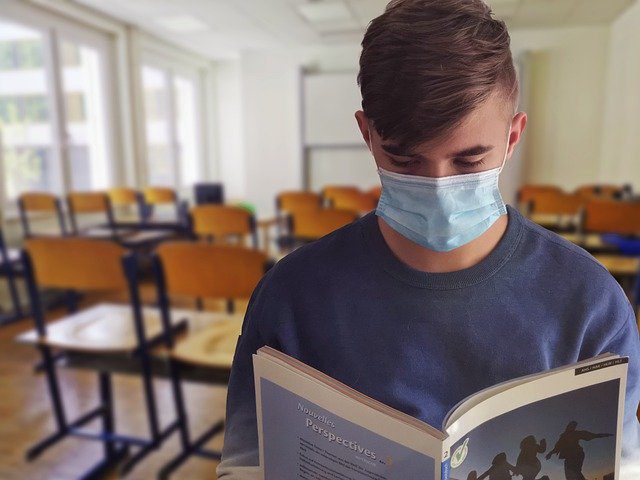
    With new laws now in place recommending everyone throughout the United Kingdom to cover their mouth and nose with some kind of face covering in public spaces where social distancing is not always possible, many are experiencing an increase in their anxiety.  Some people are finding that wearing a face covering can trigger panic attacks due to the feeling that their breathing is limited because of restricted airflow which can easily be compared to a sense of suffocation. Also any face covering will automatically make the face warmer and anxiety sufferers could misinterpret the rise in temperature as a trigger for a panic/anxiety attack.   

    You may be pleased to know that in certain circumstances you may be exempt. According to the new government regulations you do not need to wear a face covering in England if you have a legitimate reason not to. This may include:

    • not being able to put on, wear or remove a face covering because of a physical or mental illness or impairment, or disability
    • if putting on, wearing or removing a face covering will cause you severe distress

    People with the following health conditions are also exempt:

    • breathing difficulties or respiratory disorders
    • conditions affecting dexterity, which means you are unable to put on a mask
    • mental health conditions such as anxiety or panic disorder
    • learning difficulties such as autism
    • cognitive impairments such as dementia which mean patients may not understand or remember the need to wear a mask
    • visual impairments
    • conditions that mean putting a face mask on would be too painful

    In these cases you may feel more comfortable showing something that says they do not have to wear a face covering. This could be in the form of an exemption card, badge or even a home-made sign. If you would like to find out more about making your own face covering or how to print out an exemption card you will find more information here: https://www.gov.uk/government/publications/face-coverings-when-to-wear-one-and-how-to-make-your-own

    Here are a few tips that might help make things a little easier during these unprecedented times:

    • Change your mind set Masks are purposely made for protection. To keep yourself and others safe People in the medical profession have safely been using them for over a hundred years.
    • When wearing a face covering, try to avoid rapid, shallow breathing. Instead, focus on breathing from your diaphragm, check out this short animation: https://nopanic.org.uk/correct-breathing/
    • Try wearing your mask around the house for short periods to get used to how it feels. Maybe while watching a good TV program or while doing a favourite hobby. Start off with just a minute or two and increase the period slowly over time.
    • There are also a huge variety of masks out there, different shapes; fabrics sizes etc. What might suit one person could feel very uncomfortable on someone else, so try a few out before you decide.

    If you would like to find out more about the new Face covering regulations you can visit the official UK government’s site here: https://www.gov.uk/government/publications/face-coverings-when-to-wear-one-and-how-to-make-your-own/face-coverings-when-to-wear-one-and-how-to-make-your-own

  • The fear of fear: Why we panic and what we can do about it.

    The fear of fear: Why we panic and what we can do about it.

    By; Navit Schechter

    As lockdown measures start to ease, many of us are finding the emotional impact of the past few months has taken a toll which we may not recover from quite as quickly. Many of us have been dealing with heightened and sustained levels of stress and anxiety and, in those vulnerable to them, these uncomfortable feelings can lead to or increase panic attacks.

    A panic attack is a sudden, unexpected and intense rush of anxiety that can be extremely frightening and overwhelming to experience. Most panic attacks tend to last between 5 and 20 minutes and usually peak within 10 minutes or less before the feelings of anxiety begin to subside. This rush of anxiety is accompanied by physical symptoms such as shortness of breath, a rapid heart beat and/or feeling dizzy.

    These symptoms can be so intense that they lead you to think that you are going to die, have a heart attack, are going to faint or lose control of your mind, causing even more anxiety. In fact, it is this misinterpretation of physical symptoms that defines a panic attack i.e. when unpleasant or unusual physical symptoms in the body are interpreted as a sign of something dangerous and catastrophic happening, the level of anxiety and panic this creates is known as a panic attack. For example, when heart palpitations which are a normal sign of anxiety are interpreted as a sign of an impending heart attack, this understandably leads to overwhelming feelings of fear and panic.

    As panic attacks are so unpleasant and distressing, many people feel anxious about the thought of having another one which can trigger more panic attacks. Fear of fear and a negative cycle ensues.

    Recognising these unpleasant symptoms for what they are, and allowing yourself to experience them will help you to see for yourself that they are not harmful and dangerous, which will help to break this cycle of panic. This can be very difficult to do by yourself which is why the NICE guidelines recommend a short course of Cognitive Behaviour Therapy (CBT) to help you to break the cycle of panic.

    Although, it may not help you to break the cycle of panic in the long-term, reminding yourself that the symptoms you are experiencing are not dangerous and developing some coping statements can help you deal with feelings of anxiety in the short-term e.g. “I am safe, this is just my anxiety”, “these feelings will pass”, “anxiety can’t hurt me and “I have felt this way before and been fine afterwards”.

    Taking slow, deep breaths in through the nose and out through the mouth, making sure to exhale for longer than you inhale can also help to feel more relaxed in the moment. Next time you feel anxious, try focusing your attention away from yourself and towards your surroundings e.g. focusing on the person you are with or taking out your phone and sending a message. This can help you to see that your physical symptoms of anxiety come and go according to how anxious you feel, rather than being a sign of a real danger.

    Having repeated panic attacks can make life very distressing and every-day tasks hard to deal with. If you find that you are avoiding places where you have had, or think that you might have, a panic attack and this is affecting your day-to-day life then you may benefit from seeking help. Your GP can help to rule out any underlying health concerns and refer you for a course of CBT within the NHS. Alternatively, you can visit the BABCP website at cbtregisteruk.com to find a therapist close to you.

    More about the author; Navit is a qualified and experienced Cognitive Behaviour Therapist and mental health author. She previously worked as a manager and CBT supervisor in a London NHS service but since moving to Cornwall with her family now sees clients privately and online. Navit also writes extensively about mental health, in particular the biological and cultural factors that lead to feelings of anxiety and what we can do to overcome these. In response to the Coronavirus outbreak and the inevitable impact this has on people’s mental health, Navit has written an ebook to give insight and tools to help people manage their feelings of anxiety during the pandemic.

    Navit’s ebook is normally priced at £9.99 but by using the exclusive code ‘nopanic’ you can buy it today for just £6 with a huge discount of 40%!! https://gumroad.com/l/howtostaycalminturbulenttimes

    How can No Panic help?

    No Panic specialises in self-help recovery and our services aim to providing people with the skills they need to manage their condition and work towards recovery.

    Become a member