Category: Articles by No Panic Volunteers

  • How to get things done

    How to get things done

    Do you ever wake up in the morning and dread the day ahead? There is so much to do and you wonder how you will ever get through half of the things that need to be done!

    Well the answer is to make a list. Write everything down in black and white and then write numbers next to each item in order of priority.

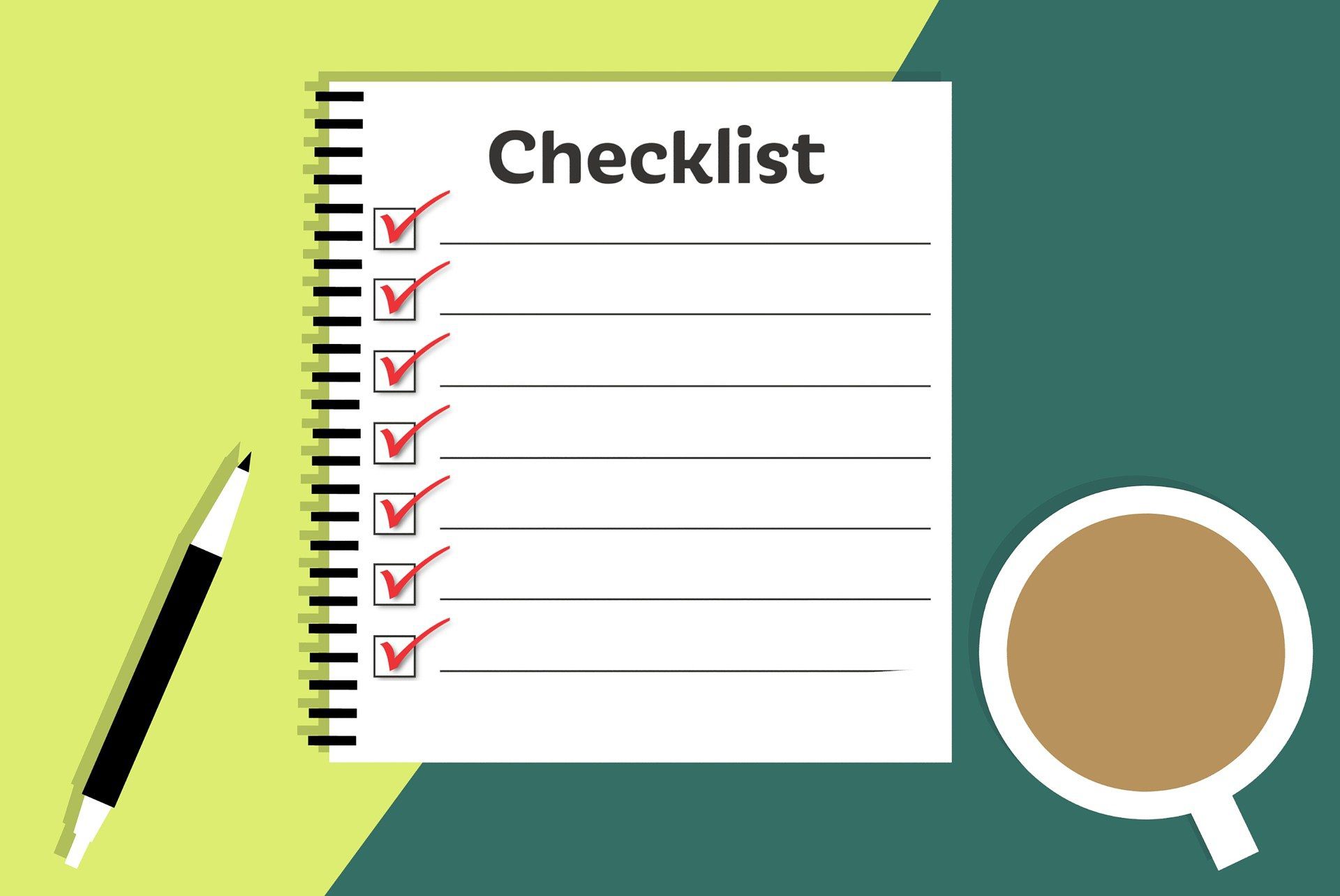
    You can then, step by step, work through the list, ticking off jobs achieved as you go. Breaking things down in to small tasks is less daunting than facing the whole issue.

    For example; maybe the house needs tidying and you have piles of paperwork. The best thing to do is decide which out of the two is a priority then break that job down. If the paperwork is top of the list, organise it into 3 piles, 1 = Top priority 2 = Important 3 = Can wait. Attend to pile 1 first then pile 2 followed by pile 3. Don’t forget to tick off the things on your list as you go.

    The same applies for jobs around the house. Top priority might be preparing a meal for example. By taking just small steps and concentrating on one at a time you will progress through the tasks, slowly but surely.

    It is very satisfying to see a huge red tick next to an accomplished task. It is extremely rewarding to work your way through a ‘to-do’ list and also a great boost to your general wellbeing.

  • Neuroplasticity

    Neuroplasticity

    Neuroplasticity is the ability of the brain to change and grow continuously throughout a person’s life. This fairly recent discovery contradicts the popular belief that the brain wears down over time, becoming fixed in its ways as we grow older.  Like any physical muscle, the brain gets stronger the more you use it. Which is all the proof we need to show retraining the brain is one hundred percent possible.  

    The brain is a pattern-seeking device. When you learn things, your brain sends messages from one neuron to another. By doing the same thing over and over again the brain eventually makes a pathway between the neurons, which then makes whatever it is you are doing easier and easier. For example;  Imagine that you are mowing tall grass between two hedges. The first pathway through the grass will be difficult and you will need to push the lawnmower very hard. The second attempt will be slightly easier but the more often you follow the same pathway, the simpler it will get.  This is just like neuroplasticity, the more often you do something with your mind the easier it gets as the brain will remember the pattern it has used before. 

    Another example of neuroplasticity at work is: When we first learnt to read at school it was done gradually. By repeating firstly letters, then words they became more and more familiar. No magic wand involved, just going over the same thing time and time again was all that was needed. 

    So now we know that however difficult something may seem, anything is possible with practice. You are in charge of your brain and you can learn anything you like and also change your way of thinking. So now let’s look at what you can do on a daily basis to retrain your brain and reduce anxiety, panic as well as changing your way of thinking from negative to positive:

    • Be grateful whenever you can.
    • Practice mindfulness/meditation. 
    • Write a positivity diary.
    • Be kind to everyone, including yourself.
    • Focus on all you have instead of what you would like.
    • Set goals and persevere.
    • Learn something new. 
    • Remember you can do this.

    How can No Panic help?
    No Panic specialises in self-help recovery and our services include:
    Providing people with the skills they need to manage their condition and work towards recovery.
    Our aim is to give you all of the necessary advice, tools and support that you will need to recover and carry out this journey. No Panic Recovery Programs

  • Try focussing on the solution rather than the problem.

    Try focussing on the solution rather than the problem.

    FACT: Everyone has problems in life. A lot of the time these can be resolved quite quickly without too much anxiety. But sometimes it may not be that easy and you end up focussing so much on the problem that it can leave you feeling in a low mood with a general feeling of negativity.  Problems become even more difficult when there doesn’t seem to be an obvious solution and things that you have tried before don’t work.  It is very important to solve as many problems as you can in life to boost your self-esteem and leave you feeling less anxious or worried. 

    So what is the answer and how do we solve general life problems?

    • Acknowledge the problem, then write it down on paper. 
    • Define the problem. What is the situation now? What would I like the situation to be?
    • Check your past. Has anything like this happened before? How did you cope? Is there anything you could use again?
    • Break the problem down into parts if possible. This will make it less daunting to find solutions. 
    • Search for solutions. This may seem a tricky thing to do but there are solutions out there for every problem. 
    • Remember that not solving a problem can lead to more anxiety than trying to solve it.
    • Taking just a small step forward is better than staying where you are.
    • Ask for help. Family, friends or even charities like No Panic might have ideas that you have not even thought of.

    How can No Panic help?
    No Panic specialises in self-help recovery and our services include:
    Providing people with the skills they need to manage their condition and work towards recovery.
    Our aim is to give you all of the necessary advice, tools and support that you will need to recover and carry out this journey. No Panic Recovery Programs

  • Morning Anxiety

    Morning Anxiety

    Many people find that their anxiety is at its worst in the mornings. Racing thoughts, panic symptoms and excessive worry can strike as soon as you wake up, even before you have set foot on the floor. If you can relate to this, please be reassured, you are not alone. Morning anxiety is very common.

    What causes morning anxiety?

    Here are some possible answers:

    • Studies have shown that the level of the “stress hormone, cortisol is quite often at its highest during the first hour of waking up.
    • After a night’s sleep, the blood sugar levels in our bodies are low, this can trigger anxiety. The body needs refueling. Little and often is a good tip, this keeps our sugar levels balanced.
    • Too much caffeine and sugar can increase anxiety symptoms. So be aware of what you consume first thing.
    • If you go to bed with anxious thoughts or lie awake worrying during the night, you are quite likely to wake up feeling stressed.
    What can you do to ease Morning anxiety?

    Here are a few suggestions:

    • Eat a healthy, well-balanced diet. Cutting out or reducing sugar, caffeine and processed foods. https://nopanic.org.uk/diet/
    • Limiting or cutting out alcohol.
    • Keeping a healthy sleep pattern. Going to bed and getting up at the same time each day really helps. https://nopanic.org.uk/sleep-anxiety/
    • Reducing anxious thoughts before bed. Keep a pad and pen next to the bed, write any worries down and promise yourself you will deal with them at a more appropriate time.
    • Use meditation, mindfulness or relaxation exercises to fall asleep. These techniques can also be used as soon as you wake up to lower any anxiety symptoms. https://nopanic.org.uk/a-moment-of-mindfulness-video/

    If you find your anxiety is affecting your everyday life and stopping you from living the way you should, maybe you need a bit more help or support?

    How can No Panic help?
    No Panic specialises in self-help recovery and our services include:
    Providing people with the skills they need to manage their condition and work towards recovery.
    Our aim is to give you all of the necessary advice, tools and support that you will need to recover and carry out this journey. No Panic Recovery Programs

  • Challenging Times

    Challenging Times

    Unfortunately, many of us are facing yet more challenging times with the lockdown still in place and COVID_19 the topic of conversation everywhere we go. A lot of people are finding it difficult to stay on top of things and their mental health is suffering in many ways. So while these unprecedented times are stopping us from doing many things, there are still lots of things that we can do to brighten our mood.

    1. Get outside. Whether it’s a walk or just a step out into the garden, you will benefit from getting some fresh air and a change of scenery.  Fresh air has been proven to help improve blood pressure and heart rate as well as strengthen the immune system.
    2. Exercise.  Exercise releases endorphins which are hormones that make us naturally feel good. It also increases our body temperature which can have a calming effect as well as burning off excess energy that can lead to anxiety.
    3. Take up a new hobby. Doing things you love keeps you motivated and enthusiastic, so why not take up something you’ve always wanted to do. Learn a new language or how to play an instrument. Take up cookery or art. The list is endless and the internet has a huge resource of ideas and lessons.
    4. Laugh and laugh again. Laughter has often been quoted as being the best medicine and with very good reason.  Nothing works quicker to bring your mind and body back into balance than a good laugh! Laughter relieves physical tension and stress lifting your mood in minutes, so put on a funny film or listen to a comical podcast.
    5. Connect. Luckily we can still meet up with friends and family virtually with the luxury of video calling. A good old catch up can’t be beaten. Now is perhaps the perfect time to also join new groups and meet new people. 
    6. Dance and sing. Let your hair down and move to the beat. Dancing and singing along to uplifting music lifts your mood while burning off, not only calories but also the stress hormone, cortisol.
    7. Declutter. Life is stressful enough at the moment without having to contend with having your home in turmoil too. Keeping our homes tidy and clean is good for youth health but also good for your mind. So clean out those junk drawers and messy cupboards. You can even sort out the toy cupboard and your wardrobes and donate unwanted items to charity. 
    8. Look after Number 1. Self-care is vital for your overall well-being and improves your life in many ways. Self-care is looking after your mental, emotional, and physical health and will mean different things to different people. Perhaps a bubble bath and home spa will be the thing for you or maybe curling up with a good book or box-set is your choice.  Whatever it is you prefer, do it and don’t feel guilty at all. 

    How can No Panic help?
    No Panic specialises in self-help recovery and our services include:
    Providing people with the skills they need to manage their condition and work towards recovery.
    Our aim is to give you all of the necessary advice, tools and support that you will need to recover and carry out this journey. No Panic Recovery Programs

  • Take care of your body and mind, you live with them every day

    Take care of your body and mind, you live with them every day

    Unfortunately, many of us are facing yet more challenging times with a new lockdown now in place. A lot of people are finding it difficult to stay on top of things and that their mental health is suffering in many ways. So while these unprecedented times are stopping us from doing many things, there are still lots of things that we can do to brighten our mood.

    1. Get outside. Whether it’s a walk or just a step out into the garden, you will benefit from getting some fresh air and a change of scenery.  Fresh air has been proven to help improve blood pressure and heart rate as well as strengthen the immune system.
    2. Exercise.  Exercise releases endorphins which are hormones that make us naturally feel good. It also increases our body temperature which can have a calming effect as well as burning off excess energy that can lead to anxiety.
    3. Take up a new hobby. Doing things you love keeps you motivated and enthusiastic, so why not take up something you’ve always wanted to do. Learn a new language or how to play an instrument. Take up cookery or art. The list is endless and the internet has a huge resource of ideas and lessons.
    4. Laugh and laugh again. Laughter has often been quoted as being the best medicine and with very good reason.  Nothing works quicker to bring your mind and body back into balance than a good laugh! Laughter relieves physical tension and stress lifting your mood in minutes, so put on a funny film or listen to a comical podcast.
    5. Connect. Luckily we can still meet up with friends and family virtually with the luxury of video calling. A good old catch up can’t be beaten. Now is perhaps the perfect time to also join new groups and meet new people. 
    6. Dance and sing. Let your hair down and move to the beat. Dancing and singing along to uplifting music lifts your mood while burning off, not only calories but also the stress hormone, cortisol.
    7. Declutter. Life is stressful enough at the moment without having to contend with having your home in turmoil too. Keeping our homes tidy and clean is good for youth health but also good for your mind. So clean out those junk drawers and messy cupboards. You can even sort out the toy cupboard and your wardrobes and donate unwanted items to charity. 
    8. Look after Number 1. Self-care is vital for your overall well-being and improves your life in many ways. Self-care is looking after your mental, emotional, and physical health and will mean different things to different people. Perhaps a bubble bath and home spa will be the thing for you or maybe curling up with a good book or box-set is your choice.  Whatever it is you prefer, do it and don’t feel guilty at all. 

    Remember to take care of your body and mind, you live with them every day

  • How To Move Past A Quarter-Life Crisis

    How To Move Past A Quarter-Life Crisis

    While many people think their twenties are supposed to be the “best years of your life,” most twenty-somethings experience an immense amount of insecurity and uncertainty that would have them arguing the contrary. Your twenties are a turbulent time full of career leaps, new relationships, moving to new cities, and the pressures of unmet expectations for life post-studies, while often lacking in sleep and money. 

    Mental health issues often surface as a result of the constant stress and soul-searching, leading to a “quarter-life crisis” if unchecked. Follow the tips below to help you navigate these times with confidence.

    Communicate 

    When you’re struggling, it is easy to withdraw and feel like you are alone in your problems, but it is highly likely that you are not. Open up to peers about your stresses, and you’ll find that your problems are an almost universal experience. The key is to talk to people your age. It can be discouraging to discuss career and relationship struggles with people generations apart since they can’t always relate to the current situation. You might feel more comfortable opening up to a parent about personal issues, but so much has changed in the past few decades they may not be the best first option since their experience is often unrelatable.

    Limit Your Social Media

    “Comparison is the thief of all joy.” It’s true. Insecurity is a shared experience of your twenties,  and when you’re insecure you’ll probably look to others for inspiration, but social media is not the best place to start. On social media, we only see other’s best images and life’s highlights. It can be particularly damaging for mental health to – consciously or not – compare ourselves to peers. 

    Some best practices are to limit your overall social media use, remove influencers or peers you don’t keep in touch with from your feeds, and make a habit to not check your phone right before bed when you’re trying to unwind. Consider downloading an audiobook or meditation app to set a relaxing tone for the night.

    Foster Your Hobbies

    Many people focus on their careers and relationships in their twenties that they skimp on the activities that bring them joy. Set aside time to do things that make you happy and do them ideally without any goal or outcome in mind. If you’ve been far-removed from hobbies, try something new. Playfulness isn’t just for children, it’s fantastic for stress relief.

    Invest In Your Confidence

    The mid-late twenties is often like a “second puberty” where many start experiencing changes in their appearance that cause discomfort. Many may begin noticing their first fine line wrinkles, a creeping hairline, or weight that didn’t shed as easily as before. All of this contributes to the anxiety that time is escaping us. Now is the time to invest in things that will boost confidence. Whether it be quality skincare, a hair loss treatment such as finasteride, or finding clothes that fit your body well and make you feel good, it’s worth it for your self-esteem.

    Take A Break For Self-Care

    While it’s not always feasible to take a proper beach vacation to rejuvenate, there are ways you can incorporate a pause for self-care in everyday life. Even just prioritizing sleep and a work-life balance can do wonders. Other options are planning a staycation, getting a massage, or unplugging from devices for the weekend.

    Seek Community and Socialize

    It’s instinctual for many to isolate themselves when they don’t feel their best, but this is a prime time in your life to meet new people. This not only includes dating or making new friends, but also networking, volunteering, joining groups. There are so many apps and ways to get involved and connected with your community. It’s especially important to put yourself out there if you’ve moved to a new city. It may not be comfortable at first, but you’ll never know what you’re missing out on if you don’t try.

    Develop a Plan

    It’s always good for motivation to have something to work or look forward to. Concrete goals can help us emerge from a mindset of feeling lost. If you need help establishing your goals, it’s a good idea to journal about your ambitions and values and start with short term goals that are more tangible. Having a positive vision about your life will keep you focused through uncertainty.

    How can No Panic help?

    Although it’s not openly discussed, mental health issues are a completely normal part of life, especially when significant changes and decisions are involved. It should be encouraged to reach out for professional help if you are struggling. At No Panic we have a membership service that includes one-to-one and group therapy options that provides people with the skills they need to manage their condition and work towards recovery, enabling them to lead more fulfilled lives.

  • Coping with loneliness while working from home

    Coping with loneliness while working from home

    For many, the daily commute to and from the office established a fixed schedule and integrated physical exercise, promoting personal wellbeing and fitness. As the coronavirus pandemic interrupted corporate norms, opening the doors to flexibility and freedom to work from home, the impact on mental health has been mighty. As the shelter provided by your home is expected to represent comfort and safety, a fraction of the population may turn to their workplace for refuge. Workers are isolated from colleagues due to social distancing, making debates typically blooming from daily chatter harder to experience while working from home. 

    The Working at Home Wellbeing Survey conducted by the Institute for Employment Studies (IES) found that 50% of respondents said that they are unhappy with their current work-life balance and a third feel isolated. The survey shows that as working from home may be the way forward for the immediate future, efforts should be made to protect mental health as feelings of loneliness creep in and relationships are put to the test. 

    Using technology to preserve relationships 

    The integration of smart technology into your working life can reduce feelings of isolation, however, it’s just as important to consciously be sociable in your personal life as loneliness is not just limited to work life. Using pleasantries to virtually greet colleagues through the likes of Slack or MS Teams can maintain the daily ritual which would usually mark the start and end of your working day. As the coronavirus pandemic reduces its threat level and businesses transition back to the office setting, weakly maintained relationships are likely to feel the strain upon returning. 

    Balancing work and home life 

    As the scales representing your working day and life at home are unlevelled due to the introduction of working from home as a result of Covid-19, proactively tackling this by recalibrating the scales can help you live healthier. By abiding by a set routine, you can ensure that you are giving yourself a timeout from screen time and enabling yourself to clock off after your workday is over, contributing time to your loved ones. By blending work and home life commitments, you are likely to feel less satisfaction in both aspects, disrupting workflow.

    As the pandemic changes our way of life due to strict social distancing measures, it’s important to take a break from work and dedicate time to self-care. Although you can assess pending tasks through the comfort of your home, there is no expectation for workers to be accessible round the clock, without good reason. 

    Sharing the same boat through shared experiences 

    Sharing the same atmosphere day in, day out with your colleagues, to working from home with limited notice is likely to impact a great portion of the workforce. By vocalising your concerns and personal struggles with loneliness, you may be able to help a distressed colleague battling the same worries. According to the survey carried out by IES, 20% are worried about job security, which may result in the impending threat of loneliness if your business is struggling due to Covid-19

    Bonding over a shared experience can help trigger empathy and reduce the empty feeling of isolation. As the Covid-19 lockdown led to working from home with no notice period in advance to prepare, the emotions of millions of other employees are likely to mirror yours. 

    As working from home led to the implementation of innovative technology imitating the flow of natural conversations through accessible instant messaging, adapting to the change and embracing the greater degree of flexibility which comes with working from home has helped workforces cope with the change and keep loneliness at bay. 

  • 2020 – Coping with The Festive Season

    2020 – Coping with The Festive Season

    Christmas can be a stressful time of the year for many. This year might prove to be even more so with all we have been through the last 12 months.  So what can you do to keep anxiety and panic at bay? 

    You are not alone.

    2020 has been a year like no other. We have all had to adapt our lives and make changes like never before. The festive season this year might have to be different too. It maybe that you don’t want to meet up with friends and family as you feel there is a risk. Or it might be that you are not going to be able to spend this year with loved ones due to Covid. Either way, remember you are not alone, many others are also having a hard time. This too shall pass and we will come out the other side.

    Make lists

    There is always so much to think about at this time of the year so write things down. Whether it’s the shopping you need, a ‘to do’ list, or just a ‘don’t forget’ note, put it down on paper or in a notebook. This will firstly help you to organize your time. It will also help clear your head from clutter and give you an easy way to prioritize tasks

    Sleep / rest

    Lack of sleep will only stress the body and make you feel tired and unable to cope. So even if you have the urge to stay up later try to be reasonable. If you have a late-night, try to get a small lie in or have a nap the following day to catch up.

    Stay hydrated

    Alcohol may ease your anxiety for a while but consuming too much and the morning after feeling are both hard prices to pay. Stick to the odd glass or even better, alcohol free. On the other hand, drink plenty of water. Many things can aggravate or trigger anxiety and dehydration is one of them. When our bodies are dehydrated they do not function as well. Water makes up on average 60 – 70 percent of the human body, it carries hormones and nutrients to their destinations, so when fluid consumption is reduced this procedure starts to slow down and can cause many disagreeable symptoms.

    Be aware of what you eat

    What should you do at this time of the year with all the tempting food and snacks around? You don’t have to refuse every mince pie or piece of Christmas cake, you just need to be sensible and aware of what you are eating. Moderation is the key. If you feel you have over indulged one day, try to have a bit of a detox for the next 24 hours sticking to ‘healthy foods’.

    Stay in the moment

    Being mindful and staying in the here and now is a great way to avoid anxiety taking over. It’s about living in the present moment and not worrying about what you didn’t do yesterday or what might happen tomorrow.  Mindfulness helps us manage our emotions at the same time decreases stress, anxiety and depression. By taking just 6 minutes of your day and practising this simple exercise somewhere quiet where you won’t be disturbed you will be doing yourself a great favour. https://nopanic.org.uk/a-moment-of-mindfulness-video/

    Look after number one

    It is all well and good racing around and making sure everyone is looked after and has the right gift but you need to look after yourself as a priority. This means listening to your body: Are you tired? Are you hungry/thirsty? Are you uptight or stressed?  Sometimes you just have to say ‘no’, it may be scary to begin with but those who matter the most will understand. Catering for your own needs is not selfish it is essential for your wellbeing.

    Take time out

    Sometimes it’s nice just to get away from the hustle and bustle. Take yourself off to a quiet place and have a bit of ‘you’ time, tricky I know if your house is full but you are allowed to have a few minutes to unwind and get yourself back on track.

    Exercise

    Exercise can lift a person’s mood considerably, relieve tension and stress and boost physical and mental energy.  Exercise also increases our body temperature which can have a calming effect.  It will also help tire the body for restful sleep, which is also important when trying to keep control over all the festive anxiety.

    Don’t compare

    Social media has a great habit of making us put ourselves down. Looking at those pictures or reading the posts of acquaintances having the ‘perfect’ Christmas with the ‘just what I always wanted’ presents is a sure way to dampen your spirits. Anyway, they can’t be having such an amazing time if they are sat in front of a mobile phone or computer screen. If you know the comparison game leaves you feeling down in the dumps, avoid it.

    Be happy

    Wear a smile if you can, not just a turn up of the corners of your lips but a full blown smile that incorporates your whole face. It has been proven that smiling triggers a chemical reaction in the brain, releasing certain feel-good hormones. In other words, smiling can trick your brain into believing you’re happy. Look around your own life and be grateful for as much as possible.

    Stay within your budget

    The temptation of overspending is stronger at this time of year than any other according to a recent survey. The pressure of purchasing the ‘perfect gift’ or buying extravagant food and drink is thrown at us from all angles. The secret is to avoid the temptation of overspending that you will regret at a later date. When you go shopping, just take the cash you can afford, leave credit/debit cards at home. Make a list of things you need and stick to it.

    Talk

    If you are feeling stressed or finding it hard to cope, tell someone. Don’t keep things bottled up inside. Whether it’s someone with you or a phone call away, speak out. If need be you can always call our helpline open 365 days of the year from 10am until 10pm on: 0300 7729 844.
  • No Panic Anxiety Support Chat

    No Panic Anxiety Support Chat

    By Wayne S, No Panic volunteer

    In August, No Panic launched a new weekly support chat for members. Three months later, the chat has grown so popular, that we are splitting users into two groups. Having two groups instead of one means that even as new users join, it will be easier for participants to be heard, and it will be easier for participants to give and receive support. Each group has a Monday chat session. Group A will be between 7 pm & 8 pm, and group B will be between 8:15 pm & 9:15 pm. 

    Group B is currently full, but there is plenty of space in group A. All users who join our Anxiety Support Chat in November will be placed in group A. 

    In our Anxiety Support Chat, we discuss anything and everything related to anxiety. No Panic members share their experiences of anxiety and great tips that have worked for them. Relevant to the current time, we have discussed managing anxiety through the coronavirus pandemic, focusing on managing anxiety as restrictions change, and how we consume news. Pre-Christmas anxiety is something else we are likely to discuss in the coming weeks.

    We use Discord to provide our Anxiety Support Chat. Discord can be used via the Discord app or the Discord website. On computers, the app claims to use less energy than the website.

    The No Panic Anxiety Support Chat is open to all Members of the charity. If you would like to attend our No Panic Anxiety Support Chat, please contact the No Panic Head Office on 01952 680460 or drop Nicki an email at info@nopanic.org.uk you will then receive instructions on how to participate. 

    On the Monday of the chat you wish to attend, you will receive a link to the room. Once you have attended your first session, you will not need a link to attend future sessions, as our chat server will show up on your Discord account for as long as you are a member.