Category: Articles by No Panic Volunteers

  • “Psychoeducation”: is there such a thing as too much…

    By Craig, No Panic volunteer

    This is the third in our series looking at the importance of psychoeducation in any anxiety recovery journey. We’ve already had a look at the benefits of understanding more about the anxiety state and the different sources available to help you do that. In this blog, we want to look at balancing a healthy drive to understand, against an anxiety triggered need to find cures and reassurance.

    When it comes to psychoeducation, you may find two different schools of thought out there. Some people may tell you to stop pouring over all the details, let it be and move on. However, for most of us, trying to live with the daily symptoms and challenges without understanding what’s going on, can leave us even more perplexed and frightened. That’s why a growing body of professionals and individuals will recommend the value of understanding what is going on with your heightened anxiety state.

    As I started to build my own understanding of anxiety disorder, I found real comfort in understanding that I wasn’t really losing my mind, or that I wasn’t in any related danger of suddenly dying. However, whenever my anxiety lasted for any period, I started to fall into the trap of assuming I must have failed to learn all I needed to and that was why the anxiety was still there. It’s so common for your anxious reaction to trigger a ‘need to fix it’ or to ‘need to find the magic answers’, but by now, I am pretty sure you’ll have been seeing that there is no magic solution out there – if there were, we’d all be using it.

    The truth with anxiety is that it usually takes patience, courage, and perseverance. Psychoeducation’s role there is not to eliminate the anxiety, but to help with the patience and perseverance. In understanding how anxiety works, you can learn that there is a natural process going on and with the right perseverance using relaxation, exercise, diet, and other good lifestyle habits, you will see your anxiety drop over time, we’ve seen this so many times. 

    But how do you know whether you are using psychoeducation as a useful tool to help you understand and be patient, or whether you are furiously seeking out that magic bullet? Well, in my experience I am afraid it is a fine line, but there are usually a couple of tell-tale signs, ask yourself:

    • ‘Am I reading/listening to things I already know?’ Sometimes you will read variations of the same thing in hope that this time it will ‘go in’ or you’ll get it right. This is a classic sign of ‘reassurance’. Reassurance is when you have to be told something you already know because you don’t trust yourself..
    • ‘Am I hoping that this article will tell me how to fix it?’ There is lots of good advice out there and lots of techniques and practices that are really good for you, but if you sense you are looking for a magic fix, stop.. think… ask yourself if you are really going to find that when 20% of the global population has an anxiety condition… wouldn’t they already be rolling that magic out?

    Psychoeducation is such a powerful tool on your recovery path, but it is always important to check your motivations and challenge yourself if you notice you are becoming obsessed with reassurance seeking and magic fix finding.

    Hopefully this short series on psychoeducation has given you something to think about and hopefully a few new resources to consider that you might try using. A reminder that the no panic website is a great source for learning more about Anxiety and ways to help improve your current situation… head to our Resources section for lots of pages on different specific anxiety conditions and topics.

  • “Psychoeducation”: where to get it…

    By Craig, No Panic volunteer

    In our recent blog on psychoeducation, we spoke about the value of understanding what is happening biologically when you are anxious. Doing so can help you understand that whilst symptoms are real and scary, they can also be easily explained and cannot truly harm you.

    Once you’ve decided that you want to learn more, the challenge is where to go. In today’s blog I wanted to talk about some of the sources that I have found useful:

    Books

    It seems hard to believe, but back in the early 2000’s when I first experienced those bewildering feelings of anxiety, the internet wasn’t a big thing. When I wanted to understand more about anxiety, I turned to books! That first time, I picked up books at my local library, so self help doesn’t always cost.

    Books may not feel like the immediate or magic cure you are seeking, but I have found a great deal of wisdom and help in books on anxiety disorder. Although it does take quite a bite of effort to get a book to the shop shelves, I still always recommend checking out authors and their titles to see how well respected they are.

    A particular author I would like to bring to your attention is Dr Claire Weekes. Whilst she died back in 1990 at the ripe old age of 87, she had already led the field in recommending techniques that are common today and in doing so got herself books and TV slots. Her title ‘Self Help for your nerves’ explains some of the basics behind what’s going on when you become nervously unwell, she explains individual symptoms and their biological mechanics before she goes on to discuss ways to help yourself recover.

    If you’ve got any books you’ve found really helpful, do add them to the comments for others to read.

    Websites

    As the 2000’s rolled on, you may have noticed that the internet took off. It’s fair to say it has left us with a rich array of websites specialising in anxiety disorders. There are different types of websites each coming from a slightly different angle:

    • Official guidance from public health bodies, e.g. here’s the UK NHS page on Generalised Anxiety Disorder (https://www.nhs.uk/mental-health/conditions/generalised-anxiety-disorder/overview/)
    • Supportive guidance from anxiety related health charities, e.g. our own NoPanic resource library (https://nopanic.org.uk/resources/)
    • Independent websites from qualified medical professionals, e.g. The Anxiety Coach is a website run by Dr Dave Carbonell as us based clinical psychologist with some following as a therapist, author and teacher (https://www.anxietycoach.com/)
    • Independent websites from interested individuals/groups, e.g. Anxiety No More is a website run by Paul David, a British blogger who suffered severe anxiety for over 10 years, who shares his experiences and also managed to get his story published (https://anxietynomore.co.uk/)
    • Corporate websites from organisations looking to sell anxiety related services

    A couple of challenges with internet sites are a) the fact that just about anybody can put a site out there and b) the sheer volume of choice. For this reason, I think it’s always important to be that bit more discerning. My general rule of thumb is that if a website is promising a quick fix for anxiety, it can generally be left well alone. Another red flag for me is if there is any kind of significant charge for their information. If you had information that would help people suffering from anxiety, would you restrict it to those paying? You’ll find plenty of websites where people are willing to share their information and provide paid service alongside for extra support, but are completely optional.

    Although it can seem daunting or challenging, I do think it’s worthwhile as there are some powerful resources out there as I’ve listed above.

    Podcasts

    One of the more recent innovations has been every growing world of Podcasts. These are audio recordings of individuals or groups sharing discussion and information. They are accessible through a variety of platforms (e.g., Apple podcasts, Spotify, Google Podcasts). If your anxiety leaves you finding it difficult to focus on tasks like reading, these can be helpful alternatives.

    As I recommend with websites, I also recommend a bit of digging on podcast authors. What can you find out about their podcasts, people’s views on them and the topics they are covering. Some platforms do enable podcasts to be rated, some allow comments to be left and then there are websites that will actively review podcasts to help you source one that works for you.

    Then there is the fun side of this, with a podcast it’s always far more valuable if you find somebody that really resonates with you, be that the way they explain their stories, their voice or the format they share them in, so I really recommend exploring and finding something that’s right for you.

    A couple of podcasts I have found great interest in are…

    • The Panic Pod, by Joshua Fletcher (a Manchester, UK based psychotherapist and published author) https://schoolofanxiety.com/the-panic-pod/
    • The Anxious Truth, by Drew Linsalata (a New York, US based past anxiety sufferer, published author and in training psychotherapist) https://theanxioustruth.com/subscribe-to-podcast/

    There really is so much information out there that is of value. I know it can be overwhelming when there is so much choice, but think about how you usually prefer to learn, find a source you trust, then give it a go. In the next blog on psychoeducation, I’ll try and balance all the above and the volume of material available by considering if there is such a thing as too much??

    (note: this article refers to sources that the author has found beneficial. It is important you make your own choices with the use of the information available to you)

  • “Psychoeducation” : taking the mystery out of anxiety…

    By Craig, No Panic Volunteer

    In 2005, I had my first experience of problematic anxiety. I remember that feeling of adrenalin rushing through my body, a flush of heat over my face with beads of sweat forming on my forehead as thoughts started to tell me that something was terribly wrong… I needed to get to safety. The only problem was I didn’t know what the danger was and I didn’t know what would make me feel safe. My mind could only reach one conclusion, something about me was fundamentally broken and I was surely on a path to ‘losing my mind’… whatever that means?

    For most people who experience problematic anxiety, I am sure this will sound familiar. I am also sure I won’t be the first person having experienced this to tell you that here I am 18 years later and my mind was never ‘lost’… but in a way, that makes it all the more confusing… why all the drama if I am actually ok?  

    Without access to the right information and understanding, or the right support, it’s no surprise that this confusion leads many to believe that their mind is truly about to break. It’s at this point that the process of psychoeducation is such an important and critical step along the road to recovery.

    Initially, I didn’t know what the phrase ‘psychoeducation’ meant, but it’s become so important to myself and many on their anxiety journeys. Psychoeducation, literally, is the process of learning about a mental health condition, it’s causes, symptoms, prognosis and treatments.

    As with most anxiety treatments, there is rarely a single magic bullet, but I and others have found psychoeducation to be crucial in removing a lot of the mystery and bewilderment from the anxious state. For anxiety specifically, I’ve found it useful to understand why the body triggers anxious reactions at all, why they can be not only beneficial but critical in our lives. I’ve also understood more about why our nervous systems can sometimes lead to this process going wrong, i.e. becoming persistent or acute out of context. Psychoeducation has also helped me understand why something which to me seemed like a nervous reaction in my mind, could lead to my hands feeling sweaty, or sweat coming across my brow.

    Again, understanding these processes does not magically stop them happening, but they do help you understand the limitations of anxiety and why ultimately it is not a process that directly causes you any harm or leads to specific other mental illness. I know for myself, this left me feeling much more empowered to take the steps needed to help my nervous system recover, without the added pressure of trying to figure out what on earth was going on all the time.

    Our own no panic website, we have a whole section under the ‘resources’ menu which can really help you understand what’s going on here. Hopefully you find some useful material there, if there is something not covered, that you’d like to understand more on, why not suggest another topic for us to add?

  • How to Break the Anxiety Cycle

    By Brian Robinson, No Panic volunteer

    The best way to break the anxiety cycle is not to see it as an unbreakable cycle in the first place.

    At its heart, anxiety is a disorder caused by tension. When tension levels are raised to a certain critical point, fight or flight is automatically triggered.

    See yourself then as one big stressed system.

    Now, if you put a relaxant into a stressed system it must relax a bit: that’s physics.

    And if you put a lot of relaxants into a stressed system it must relax a lot: that’s maths.

    So, as you go about your daily routine ask yourself: is what I’m doing producing tension or is it reducing tension?

    The more you reduce tension: the quicker you will recover.

    An expanded version of this article will be available in the March 2023 edition of the newsletter for members.

  • When to Do the Breathing Exercise: Sleeping and Waking

    This is the final part of a three-part series on the No Panic breathing exercise. In this series, we are focusing on when to do the breathing exercise. It’s all about the timing.

    Anxiety can cause people to lose sleep night after night. All that sleep deprivation mounts up, so they are too tired to do what they want to do, and even too tired to manage their anxiety.

    I want all of you to sleep well every night, so I will explain how you can improve your sleep just by doing the breathing exercise.

    We recommend people have a calming routine before they go to bed. This can include the breathing exercise. It is a good idea to do the breathing exercise just before you go to bed, so you go to bed feeling calm.

    Some people have lots of anxious thoughts chasing each other around their minds when they go to bed. They may not be as good at maintaining a pre-sleep routine; they might not bother with a pre-sleep routine.

    A great thing about the breathing exercise is that you can do it anywhere, and you don’t have to be sitting up. Just as you can do the breathing exercise while walking around a busy shopping centre, you can do the breathing exercise while lying in bed. You can do the breathing exercise to focus your mind away from all those anxious thoughts, and to slow everything down until you drift off to sleep.

    So now you’re asleep.  Suddenly you’re woken up in panic. Perhaps you had a nightmare, or anxiety decided to wake you up like children who doesn’t want to wait for their parents to get out of bed. Either way, you’re awake, and feeling anxious. You may even be having a panic attack.

    At this point, the mistake people make is to try to get back to sleep. It is natural to want to go back to sleep, but you are unlikely to get back to sleep quickly.

    To limit how much sleep you lose, you can get out of bed to spend 30 minutes or so calming your anxiety. While out of bed, you can do the breathing exercise. The best times to do the breathing exercise are after you get out of bed, and just before you go back to bed. Even if you wake up a few times, this way you are limiting how much sleep you lose, and that should make a difference over time.

    It is common for people to wake up in the morning feeling anxious. The anxiety they have through the day can stem from the anxiety with which they awoke. It is important to get on top of this anxiety as quickly as you can. One way to do this, is to start doing the breathing exercise as soon as you wake up. If you want to spend 10 minutes doing the breathing exercise when you wake up every day, you could get up slightly earlier.

    If you already do the breathing exercise at a different time as part of your morning routine, you can still do it at that time in addition to doing it when you wake up. If you don’t usually do the breathing exercise in the morning, other good times to do the breathing exercise may be after you get dressed and after you’ve had your breakfast.

    Doing the breathing exercise may not help you sleep perfectly, but I hope doing the breathing exercise helps you sleep better. Then you’ll have more energy for going out, and managing anxiety throughout the day, including at mealtimes.

  • When to Do the Breathing Exercise: Going Out

    This is the second part of a three-part series on the No Panic breathing exercise. In this series, we are focusing on when to do the breathing exercise. It’s all about the timing.

    Anxiety can cause people to struggle to leave their homes , to go anywhere. It doesn’t matter whether it’s a small journey to a local shop, or a longer journey to a place far away. The thought of going out can be so overwhelming for some, that they simply stay at home. The longer they stay at home, the harder it is for them to go out.

    There are also people whose anxiety intensifies when they go out. This can cause them to feel exhausted when they get home. They may even suffer panic attacks after they arrive home. It doesn’t matter if they went for a short walk or they went out with friends. Anxiety does its best to make them feel bad because they went out.

    If the thought of going out is a trigger for your anxiety, you can use the breathing exercise to prevent anxiety either stopping you from going out, or punishing you for going out.

    The first step is to plan the time when you’re going to go out. You could do that a few hours beforehand, the night before, or a few days in advance. Doing this means you will know when you are due to go out.

    Usually when people go out, they aim to be ready in time for the moment they expect to set off. When you have anxiety as that moment draws nearer, your anxiety increases.

    Aim to be ready at least 10 minutes before you go out. In those 10 minutes you have given yourself, do the breathing exercise until the moment you walk out of the front door. Although it is good to do the breathing exercise while sitting down, you can do the breathing exercise while you are walking towards the door to go out. Make sure setting off is the first thing you do after doing the breathing exercise. Don’t give anxiety enough time to return and undo your hard work.

    You can do the breathing exercise when you’re out. If you allow yourself enough time, you can stop walking or driving for a few minutes to do the breathing exercise, before continuing your journey. It isn’t necessary to stop, so you can still do the breathing exercise if you haven’t allowed yourself enough time for stops.

    If you’re spending time somewhere, you could do the breathing exercise when you arrive, before you go in. That is particularly useful if there are going to be lots of people there, or you are meeting up with others. While you’re not talking to others, there may be other opportunities to do the breathing exercise.

    As you get good at doing the breathing exercise to ease your anxiety when you go out, knowing you can do the breathing exercise to keep your anxiety under control may give you confidence. Increased confidence can reduce anxiety. You could even become reassured enough while out, that you can reduce how often you do the breathing exercise.

    Remember what I wrote about how anxiety punishes people for going out? You can stop anxiety punishing you. Simply sit down and do the breathing exercise for 10 minutes soon after you are home. You are home, so there is more time to do the breathing exercise.

    Don’t let anxiety stop you or punish you for going out to relax. Don’t let anxiety stop you or punish you for going out to enjoy yourself. Do the breathing exercise before you go out, while you are out, and when you get home.

  • When to Do the Breathing Exercise: Eating

    This is the first part of a three-part series on the No Panic breathing exercise. In this series, we are focusing on when to do the breathing exercise. It’s all about the timing.

    Anxiety causes some people to struggle with eating. In some cases, people avoid eating, so they don’t have to experience the effects of eating with anxiety. In other cases, people still eat, but they experience high anticipatory anxiety before eating. After they have finished their meal, they struggle to digest what they have eaten.

    Even if you have high anxiety around eating, you can eat any meal you would eat if you did not have anxiety.

    We usually advise people to have small, simple meals if their anxiety is affecting their eating. The reason we give this advice, is one of the general rules of anxiety. The bigger something is, the more overwhelming it is. The more overwhelming something is, the less likely people are to do it.

    If your anxiety is high while you prepare your meal, you may do the breathing exercise to bring it down. For the breathing exercise to be most effective, do it for at least two minutes before you eat. As soon as you stop doing the breathing exercise, start eating. It is important not to leave a gap, because anxiety can return to fill the gap.

    The point of eating immediately after doing the breathing exercise, is that you will be eating in a more relaxed state. When you are relaxed, there is more room for the food travelling through your digestive system. The journey should be smoother, so you should feel more comfortable.

    After people who have anxiety finish eating, they can experience upset stomachs and other irritating symptoms. These symptoms can be prevented. When you succeed at preventing them, you will know you can prevent them. That knowledge is reassurance, which may cause you to feel less anxious about eating.

    Once you finish your meal, do the breathing exercise again. This time, there is no risk of food going cold, so you can do the breathing exercise for the amount of time we usually recommend – ten minutes. Doing the breathing exercise should result in your stomach and other parts of your body feeling more settled.  This way you can avoid the discomfort experienced by people who have anxiety, after they have finished their meals.

    Before you had anxiety, you may have enjoyed larger meals. Do you really want to wait until you have overcome anxiety before you can enjoy larger meals again? What if you could enjoy larger meals, even though you have anxiety?

    You can. There is just one thing you may need to do differently. In your mind, divide your meal into sections that are no bigger than the simple meals you were eating before you decided to start eating larger meals again. It is not necessary to change how your meal is organised, but you may do that if it helps. The sections don’t have to be different to each other, but you can make them different if that helps.

    After eating each section, stop eating, and do the breathing exercise for at least two minutes. As soon as you finish the breathing exercise, carry on eating.

    Depending on the size of your meals, you may want to challenge yourself by gradually increasing the sizes of the sections of your meals, and dividing your meals into fewer sections. Make sure this is done gradually, and only when you feel ready. Gradual changes are more likely to endure.

    Ideally, you should reach a point where you no longer need to do the breathing exercise before or after eating. Until that time, it doesn’t matter if you have to do the breathing exercise so anxiety doesn’t affect you at or after mealtimes. It doesn’t even matter how long you have to include the breathing exercise in your eating routine. What matters, is that you are able to eat what you want to eat, even if you have anxiety.

    Use the breathing exercise, and enjoy your meals.

  • Tracey Wedgbury  – Birmingham Half Marathon

    Tracey is very kindly running in the Birmingham half marathon on 1st May with the aim of raising £500 for No Panic. We are extremely grateful to Tracey for choosing No Panic to run for.

    This is Tracey’s story: “I became ill in 2019 with very severe panic attacks related to a very stressful job and the beginning of the pandemic. I went to a very bad place mentally and it was only because I have such a supportive husband, daughters and friends that, well, that I’m still here really. One of the things in my ‘crisis box’ (as instigated by my CPN) was the No Panic crisis message about getting through a panic attack with help with breathing and reassurance that it was going to be ok. I cannot tell you how much such a simple message meant to me. I must have played that message a hundred times. Then I started using the Body scan message- that lady has such a lovely voice! I clung on to that voice as if she were my mother. Gradually, I was able to uncurl from the tight knots of anxiety and depression that gripped me. I used to jog years ago and something in me just wanted to run again. On one of my solo runs (rather more like a stagger at that stage!) I met a group of friendly fellow runners from a club that I’ve since joined and now it’s an integral part of my life. Don’t get me wrong, I still get overwhelmed very easily, I’ll never work again, and there’s a toll that’s been taken on my mental health that means I have to live life in a careful, gentle way. But each time I do something positive, it’s like flying- exhilarating and nurturing. I know running isn’t for everyone, for others that feeling might come through completely different things. Anyway, I thought I’d like to do something to give something back to those kind women who recorded those messages, and the people who write articles for the No Panic newsletter who are kind enough to share their experiences and knowledge, which I read with interest. And I hope No Panic will be able to continue helping more people like me.”

    You can donate to Tracey’s fundraiser by following this link https://www.justgiving.com/fundraising/tracey-wedgbury

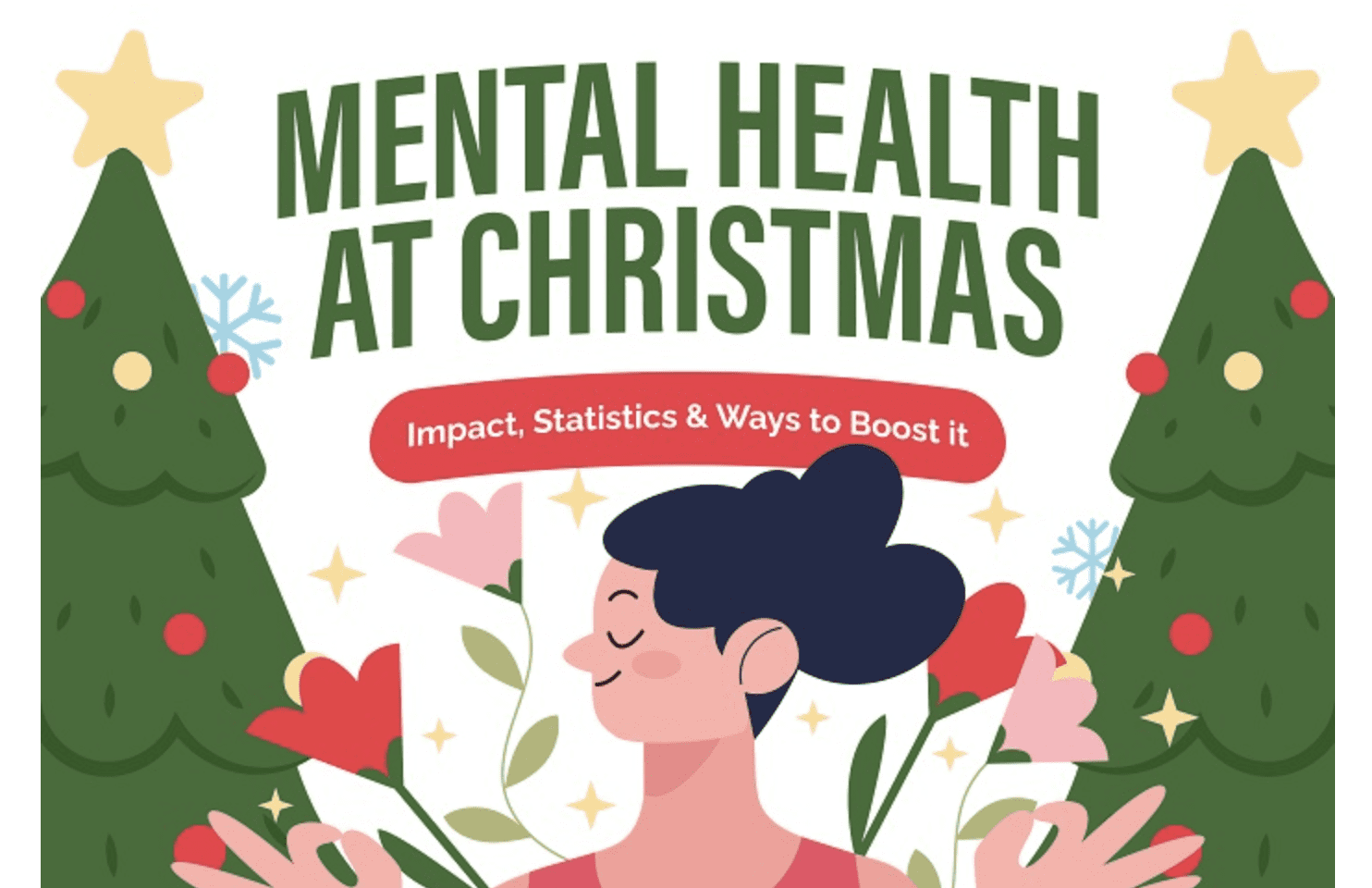
  • Mental Health at Christmas

    Mental Health at Christmas

    Why people may suffer from negative mental health during Christmas

    Below, we list a number of reasons why people suffer from ill-mental health issues during the Christmas period.

    Diet

    As tasty as Christmas dinner and chocolates for breakfast is, the lack of healthy food throughout the festive period often means that people feel less energetic, motivated, and positive. This would, of course, include too much alcohol. Because alcohol is itself a depressant, if you are feeling down over Christmas, you would be well advised to stay clear of alcohol. [1]

    Financial Strains

    Whether you’re spending more money on food, decorations or presents, people are spending a huge amount of their annual income on Christmas. Financial strains can easily lead to anxiety, depression, and stress.

    The Planning Involved

    Christmas takes an awful lot of planning.

    Sometimes, the planning side of Christmas often falls to one or two people within a family or friendship group. If you’re the one responsible for most of the planning, then the idea of organising a meal, party, event, or entire holiday can cause a lot of people unwanted (and quite frankly, unnecessary) stress.

    Presents, Presents and More Presents

    For lots of people in this day in age, the expectations around buying and giving presents to loved ones is getting out of control.

    There also seems to be an increase in expectations, too.

    Buying presents not only comes with financial implications, but lots of people find the searching, delivering, wrapping, and organising very stressful too.

    Ways people can protect their mental health during Christmas

    Let Go of the Little Things

    I know it’s easier said than done but try not to stress out or worry about the little things at Christmas time.

    So what if you’re a little late to a party if no one ate the stuffing or someone makes a comment at the dinner table?

    Make a Plan & a Budget

    Christmas can be both stressful and expensive, but it doesn’t need to be. Start by making a budget, and possibly spread your shopping throughout the last half of the year.

    Make sure that you leave enough time to do what you need to and even plan out the little things that when you’re going to wrap the presents and write your Christmas cards.

    Get as Much Sunlight as Possible

    If you’re prone to feeling sad or depressed, then your symptoms might get worse during the winter when there’s less sunlight.

    Seasonal Affective Disorder (SAD) is caused by a lack of sunlight, which then means you don’t have enough vitamin D. [2]

    To combat this, get as much sunlight as possible. Go for more walks during the daytime, use light therapy or take vitamin D supplements.

    Eat Well

    During the Christmas period, everyone’s prone to eating too much turkey and sugar. Unfortunately, this can sometimes have a negative impact on your mental health.

    Instead, stock up on vegetables and fruit and try to watch how much you drink.

    If you’re looking for more ways to maintain a balanced diet at Christmas, the British Nutrition Foundation has lots of great tips. [3]

    Exercise

    As the night’s get longer and the weather gets colder, it becomes harder to exercise. By the time Christmas comes around, people are often too busy with present buying, parties, and meals to even consider going for a 20-minute run.

    Try to schedule some light, daily or weekly exercise. When you do, your brain will release endorphins that will trigger a positive reaction in your body.

    Ask for Help

    It’s okay to ask for help, even at Christmas, speak up to loved ones if you need help.

    Likewise, if you’re struggling with your mental health, then speak to your local GP about your symptoms. If you’re in need of urgent help, then use the NHS Mental Health Helpline. [4]

    If you’re struggling with your mental health this Christmas, look at the below infographic.

    Mental Health at Christmas: Some Tips for Coping

    How can No Panic help?
    No Panic specialises in self-help recovery and our services include:
    Providing people with the skills they need to manage their condition and work towards recovery.
    Our aim is to give you all of the necessary advice, tools and support that you will need to recover and carry out this journey. No Panic Recovery Programs

    References

    [1] Covered more generally in Alcohol Rehab in Birmingham.

    [2] https://www.mind.org.uk/information-support/types-of-mental-health-problems/seasonal-affective-disorder-sad/about-sad/

    [3] https://www.nutrition.org.uk/putting-it-into-practice/food-seasons-and-celebrations/christmas-and-new-year/

    [4] https://www.nhs.uk/service-search/mental-health/find-an-urgent-mental-health-helpline 

  • Coping with The Festive Season

    Coping with The Festive Season

    Christmas and the New Year can be a stressful time of the year even for the calmest of people. So what can you do to keep anxiety and panic at bay? 

    Make lists

    There is always so much to think about at this time of the year so write things down. Whether it’s the shopping you need, a ‘to do’ list or just a ‘don’t forget’ note, put it down on paper or in a notebook. This will firstly help you to organize your time. It will also help clear your head from clutter and give you an easy way to prioritize tasks. Find out more…

    Sleep / rest

    Lack of sleep will only stress the body and make you feel tired and unable to cope. So even if you have the urge to stay up later and party, try to be reasonable. If you have a late-night, try to get a small lie in or have a nap the following day to catch up. Take a look at our top tips to get a better night: https://nopanic.org.uk/sleep-anxiety/

    Stay hydrated

    Alcohol may ease your anxiety for a while but consuming too much and the morning after feeling are both hard prices to pay. Stick to the odd glass or even better, alcohol-free. On the other hand, drink plenty of water. Many things can aggravate or trigger anxiety and dehydration is one of them. When our bodies are dehydrated they do not function as well. Water makes up on average 60 – 70 percent of the human body, it carries hormones and nutrients to their destinations, so when fluid consumption is reduced this procedure starts to slow down and can cause many disagreeable symptoms. Find out more…

    Be aware of what you eat

    What should you do at this time of the year with all the tempting food and snacks around? You don’t have to refuse every mince pie or piece of Christmas cake, you just need to be sensible and aware of what you are eating. Moderation is the key. If you feel you have overindulged one day, try to have a bit of a detox for the next 24 hours sticking to ‘healthy foods’. Find out more about a healthy diet…

    Stay in the moment

    Being mindful and staying in the here and now is a great way to avoid anxiety taking over. It’s about living in the present moment and not worrying about what you didn’t do yesterday or what might happen tomorrow.  Mindfulness helps us manage our emotions at the same time decreases stress, anxiety and depression. By taking just 6 minutes of your day and practising this simple exercise somewhere quiet where you won’t be disturbed you will be doing yourself a great favour. https://nopanic.org.uk/a-moment-of-mindfulness-video/

    Look after number one

    It is all well and good racing around and making sure everyone is looked after and has the right gift but you need to look after yourself as a priority. This means listening to your body: Are you tired? Are you hungry/thirsty? Are you uptight or stressed?  Sometimes you just have to say ‘no’, it may be scary, to begin with, but those who matter the most will understand. Catering for your own needs is not selfish it is essential for your wellbeing. Here are some more top tips on self-care.

    Take time out

    Sometimes it’s nice just to get away from the hustle and bustle. Take yourself off to a quiet place and have a bit of ‘you’ time, tricky I know if your house is full but you are allowed to have a few minutes to unwind and get yourself back on track. Here are some other distraction ideas…

    Exercise

    Exercise can lift a person’s mood considerably, relieve tension and stress and boost physical and mental energy.  Exercise also increases our body temperature which can have a calming effect.  It will also help tire the body for restful sleep, which is also important when trying to keep control over all the festive anxiety.

    Don’t compare

    Social media has a great habit of making us put ourselves down. Looking at those pictures or reading the posts of acquaintances having the ‘perfect’ Christmas with the ‘just what I always wanted’ presents is a sure way to dampen your spirits. Anyway, they can’t be having such an amazing time if they are sitting in front of a mobile phone or computer screen. If you know the comparison game leaves you feeling down in the dumps, avoid it.

    Be happy

    Wear a smile if you can, not just a turn up of the corners of your lips but a full-blown smile that incorporates your whole face. It has been proven that smiling triggers a chemical reaction in the brain, releasing certain feel-good hormones. In other words, smiling can trick your brain into believing you’re happy. Look around your own life and be grateful for as much as possible. Find out more about how laughing is good for your health…

    Stay within your budget

    The temptation of overspending is stronger at this time of year than any other according to a recent survey. The pressure of purchasing the ‘perfect gift’ or buying extravagant food and drink is thrown at us from all angles. The secret is to avoid the temptation of overspending that you will regret at a later date. When you go shopping, just take the cash you can afford, leave credit/debit cards at home.

    Talk

    If you are feeling stressed or finding it hard to cope, tell someone. Don’t keep things bottled up inside. Whether it’s someone with you or a phone call away, reach out. If needs be you can always call the No Panic helpline open 365 days of the year from 10 am until 10 pm on 0300 7729844.